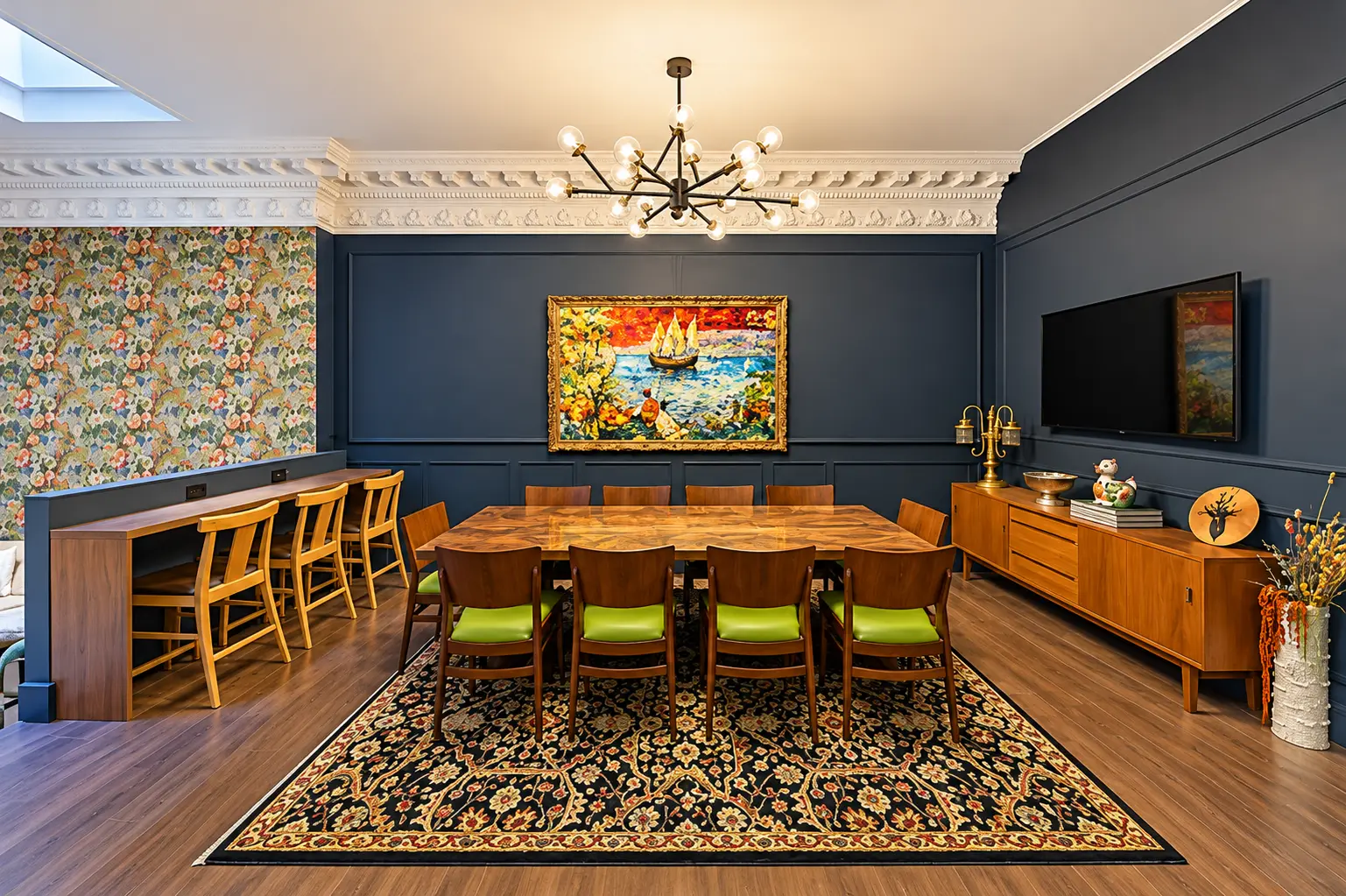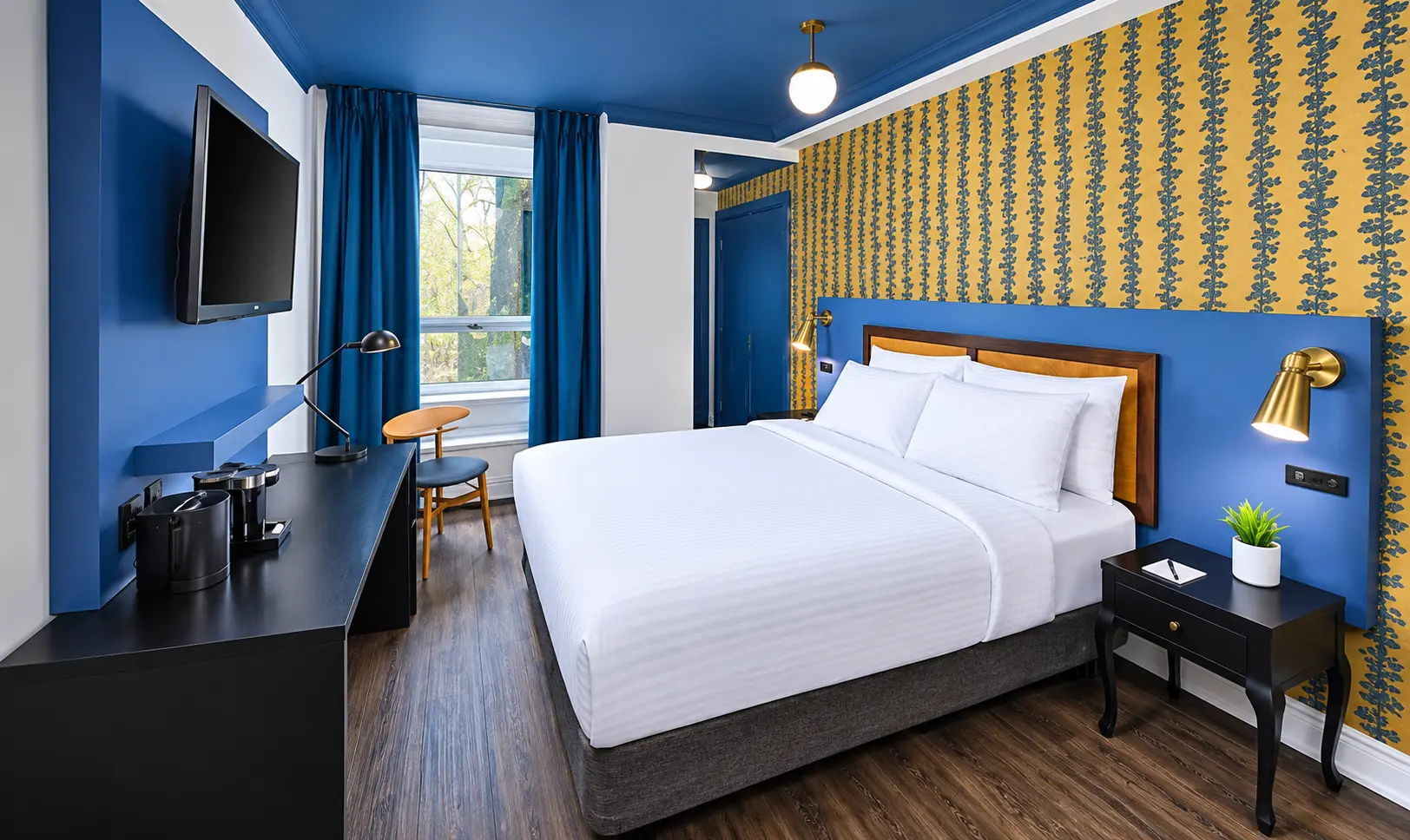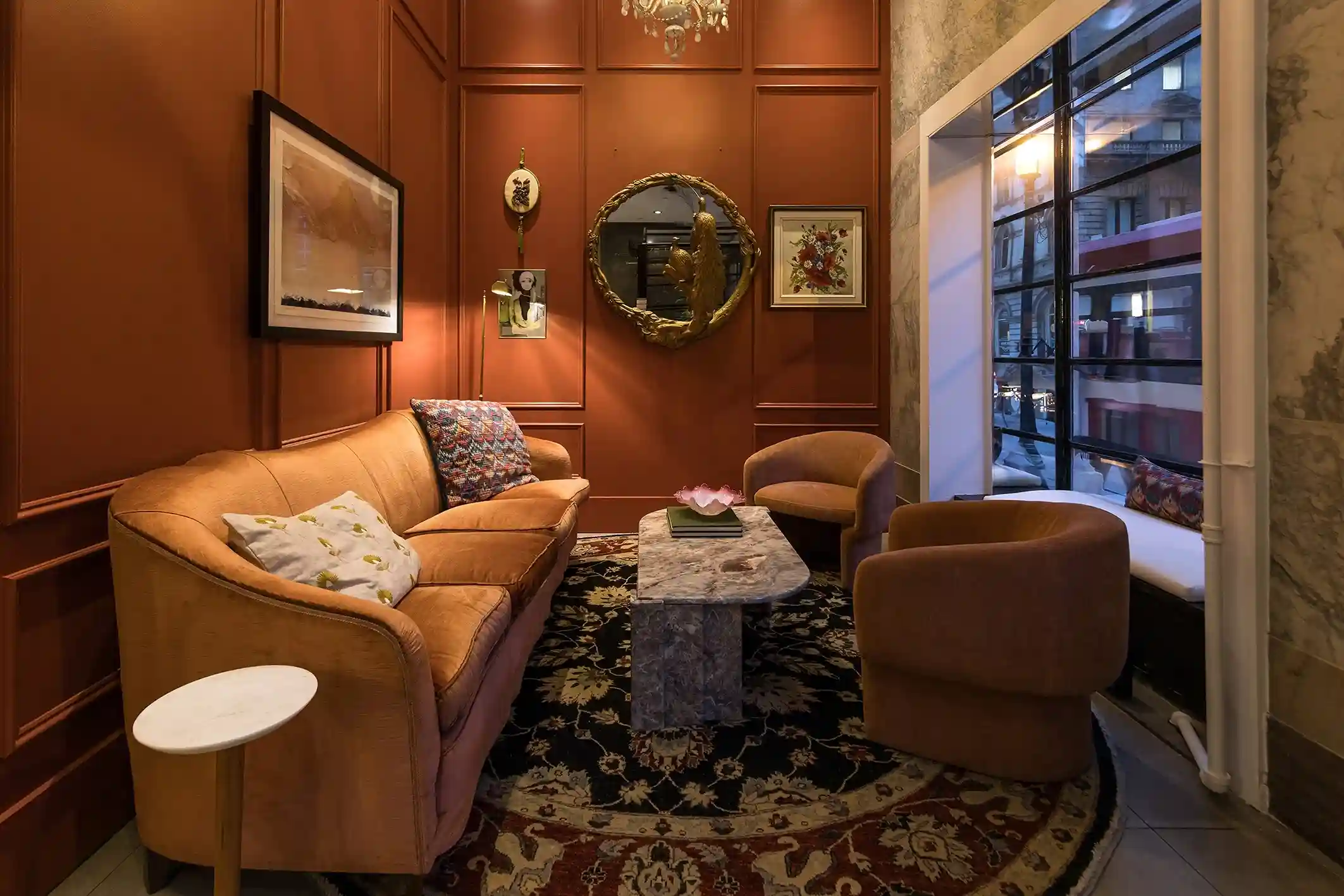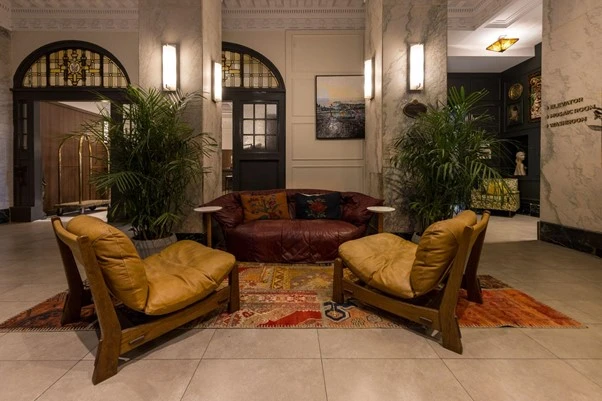
Converting a hotel to a soft brand or independent concept involves more than changing signage, colours, or marketing. Furniture, fixtures, and equipment (FF&E) shape the guest experience, from the lobby and restaurant to the guestrooms. Existing furniture may still be serviceable, but it must support the new design direction and guest expectations.
An effective hotel soft brand conversion FFE plan links the establishment’s new identity with practical decisions on furniture and finishes, budget, and procurement. Soft brand hotels are typically linked with a bigger hospitality brand but have a unique identity. Independent hotels have more liberty in designing their own brand, but they are obliged to comply with the regulations and requirements of operation. However, in either case, every decision regarding FF&E must contribute to fulfilling the aims of the guest experience.
Start with the Identity the Hotel Needs to Communicate
Before choosing the new furnishings, a clarification of what the property message is supposed to be after the makeover is necessary. While a hotel for business guests needs practical workspaces equipped with good furniture, a smaller establishment may be more concerned about an attractive design, local ambiance, and comfortable lounge zones.
Design direction should influence decisions in all areas of the property as well as guest rooms. The use of similar materials and matching lighting and accents allows for creating a unified environment without making every space look alike. For soft-brand venues, it is important to specify what brand requirements must still be observed and where more creativity may be introduced.
Decide What to Keep, Refurbish, or Replace
Changing all components in a hotel conversion can lead to rising expenditures and delay the term of the project. Therefore, assess current furniture depending on its condition, resilience, dimensions, necessary maintenance, and conformity with the new concept. Key furniture for guest rooms, lobby chairs and couches, lamps, and other equipment can require only modifications in finishes or fabric to fit the new concept of the property.
Lodging Econometrics’ report for Q4 2025 states that Canada has 119 projects related to hotel renovation and brand shifting involving 16,432 rooms with the number of rooms growing by 10 percent as compared to the previous year. This renovation underlines the importance of choosing the right FF&E items in advance. Knowing the items to keep, restore or dispose of allows hotel workers to prepare the financial scheme, make arrangements for delivery and placement according to the renovation plan.
| FF&E decision | When it makes sense | What to check |
| Retain | Items remain functional and fit the new design | Condition, durability, and brand requirements |
| Refurbish | The structure is sound but the appearance needs updating | Repair costs, new finishes, and upholstery |
| Replace | Items are damaged, unsuitable, or inconsistent with the concept | Lead times, specifications, and total cost |
Make Custom FF&E Support the New Concept
Custom-made furniture can assist hotels in creating a unique identity without utilizing a distinct set of designs in every room of the hotel. New headboards, sitters, lights, and remarkable sofas can bring in a change of environment configured from current elements.
In public spaces, hospitality furniture with soft seating defines the atmosphere for use in either lounge or social gatherings. Different decorative types of upholstery used, as well as types of frames, size relationships of seating furniture, and comfort should reflect the planned guest experience in commercial use.
Align Budget, Specifications, and Procurement Timelines
A clear hotel soft brand conversion FFE plan should connect the design concept with realistic costs and lead times. Before production begins, confirm dimensions, quantities, finishes, material samples, and approved drawings. Changes made after manufacturing starts can trigger replacement costs, additional freight, and installation delays.
Sorakai’s article FF&E Order Risks Mid-Project explains how specification errors and production issues can affect the wider renovation schedule. For conversion projects, approval checkpoints and pre-shipment inspections help identify discrepancies before products arrive on-site.
Coordinate Installation Around Hotel Operations
When it comes to operating a hotel, the installation schedules must take into consideration the level of the hotel’s operation, as well as the housekeeping procedures, staff access, and hotel room status. Doing so may involve a phased approach that allows hotel teams to complete designated areas while causing minimal disruption to other parts of the hotel. In terms of public areas, the work may need to be done in phases, with the work in guest rooms scheduled based on planned hotel room closures.
The hotel soft brand conversion FFE process involves the following practices:
- Approval of specifications and samples before beginning production.
- Regular updates on production processes and inspections.
- A schedule of deliveries that is in line with the construction process, since any errors in this regard may cause delays.
- Final inspections that can help find the way out of concerning issues.
Make FF&E Decisions That Support the New Identity
Besides having the right attributes of the furniture itself, there are other factors that cause conversion success. A successful combination for hotel soft brand conversion FFE integrates design identity, durability, budget, guest expectations, and operational specifics. The initial assessment of the existing assets and production of the customized items will allow the client to transform the premises without eliminating unnecessary properties.
Sorakai provides various services in FF&E sourcing, custom manufacturing, budget tracking, quality control, logistics, and installation management for successful hospitality projects. The implementation of a good strategy and an excellent execution of the plan allow the hotel owner to gain a unique identity while keeping the flow of hotel operations in the right direction.
Frequently Asked Questions
A soft-brand hotel is affiliated with a larger hospitality brand while retaining a distinct identity. An independent hotel operates without that brand affiliation and generally has greater freedom over its positioning and design.
2. Can the hotel retain the furniture that it has when switching brands?
Yes, but the furniture should still meet the required safety, functionality, durability, and compatibility standards of the new concept.
3. What FF&E should be considered during hotels’ rebranding?
The main attention should be given to FF&E in areas with high traffic: lobby, guest rooms, reception, and restaurants. FF&E replacement should depend on their condition and the new design concept.
4. When should FF&E procurement begin during a hotel conversion?
Begin early in the design stage to allow time for approvals, manufacturing, inspections, delivery, and installation.
5. How can hotels maintain brand consistency while using custom furniture?
For hotels to ensure consistency in their brand, they must approve materials for finishing with regard to the quality, dimensions, and other processes before manufacturing starts.