Guestrooms in hotels continue to change as they adapt to new customer needs as people look for warmer settings and flexible furniture, as well as technology that actually works and is user-friendly. However, it should be mentioned that appearance is not the only thing that matters when the hotel is opening – the design should be able to survive the daily operations, cleaning, and maintenance. Therefore, hoteliers should pay attention to the impact that their design choices have on the visitor and the owner.
Modern hospitality guestroom furniture design trends offer a variety of ways to make hotel interiors look new and fresh; however, not all the trends may be suitable for every hotel. Thus, the best design may be achieved by emphasizing the design vision while also taking into account the necessity of maintenance, durability, and some budget limitations.
1. Warmer Materials and Distinctive Finishes
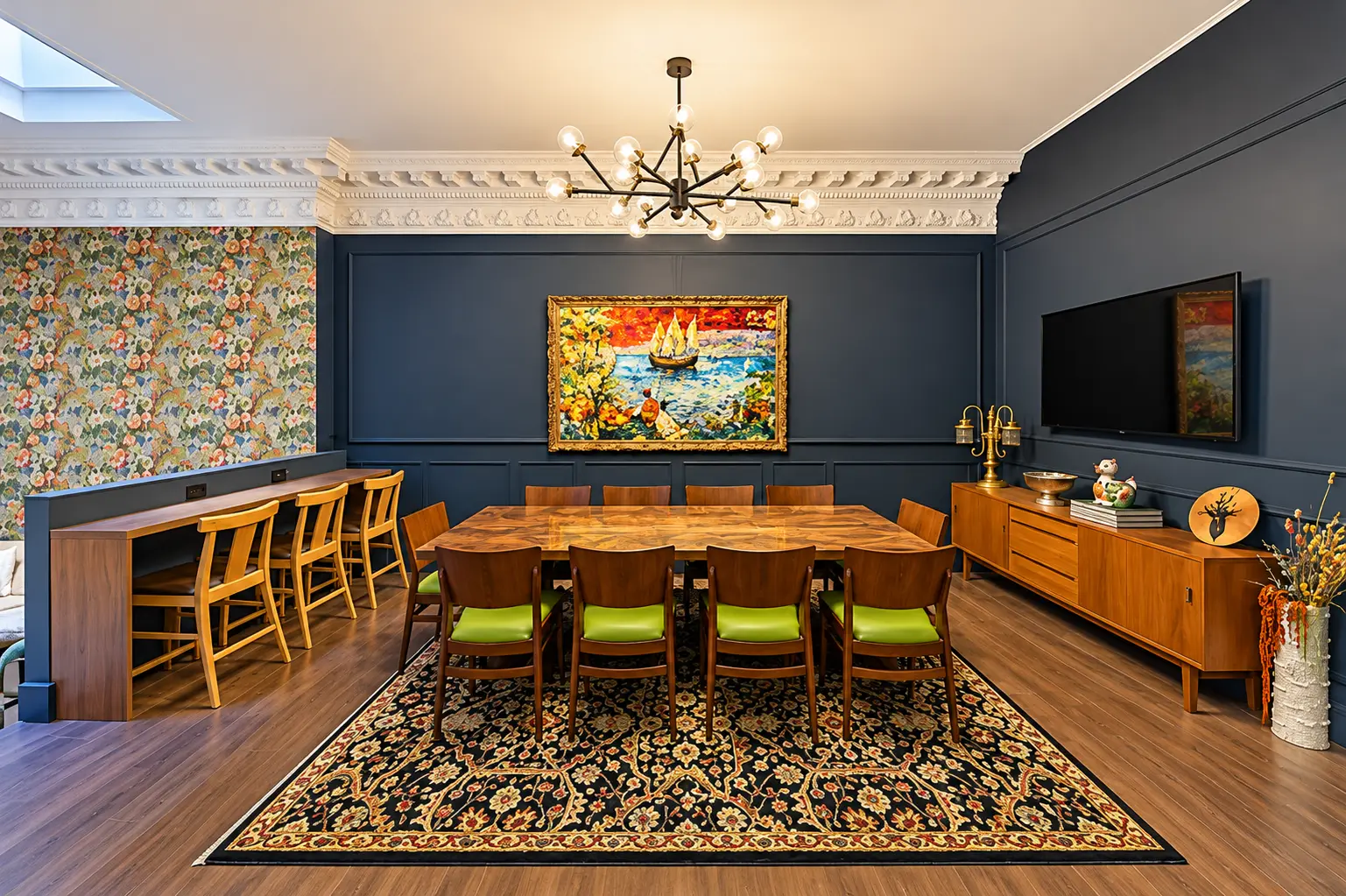
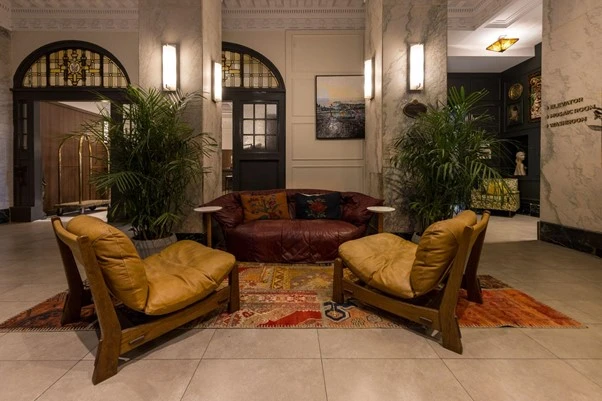
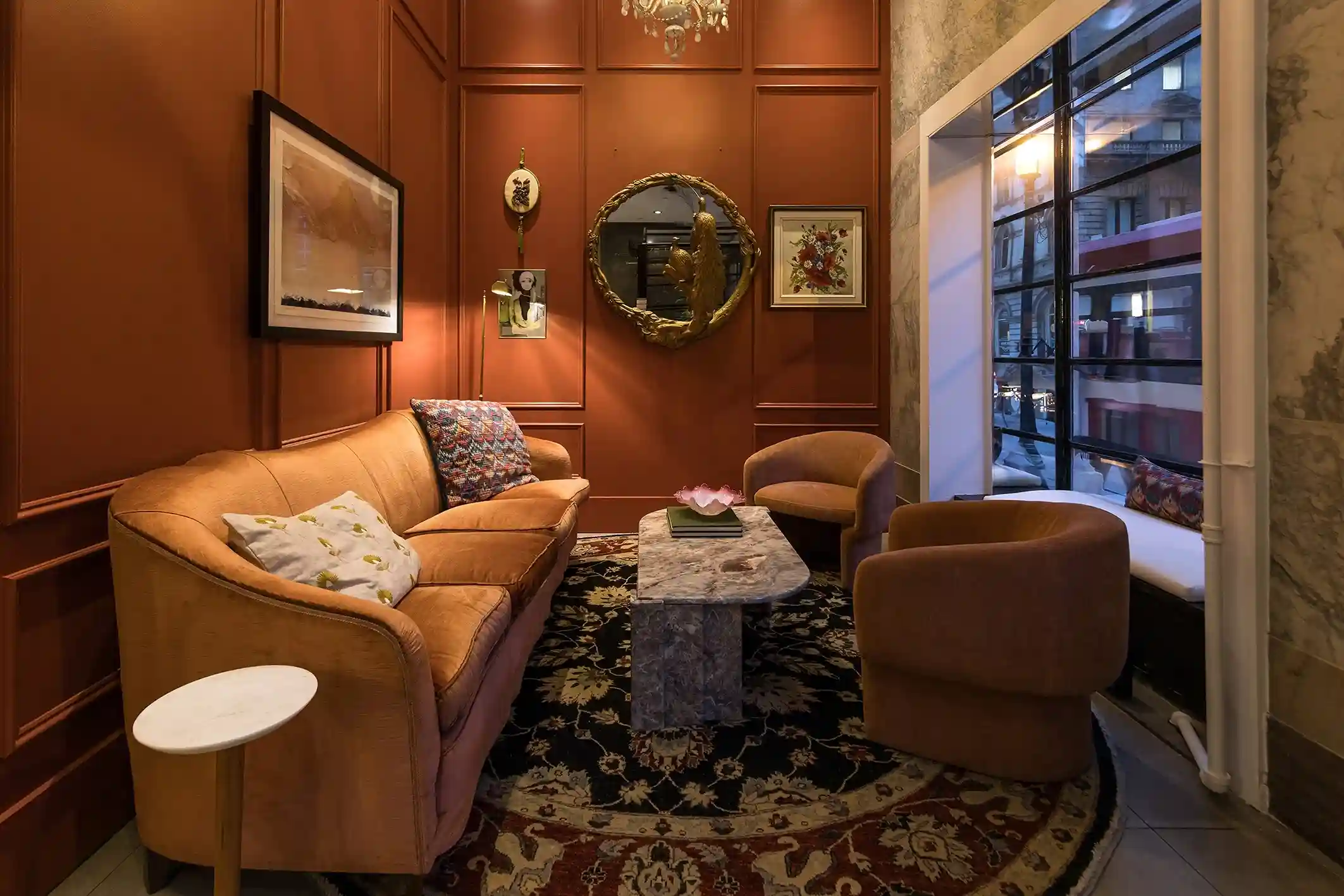
Natural-looking wood tones, textured surfaces, and layered finishes can make guestrooms feel more inviting. These details also give hotels ways to express their brand identity without changing the entire room layout.
Durability should guide material selection. Choose finishes that can withstand scratches, moisture, and frequent cleaning. Premium veneers or textured finishes can be used on focal points, while simpler, easy-care surfaces may work better on less visible components. This approach creates visual interest without increasing costs across every item.
2. Flexible Furniture and Smarter Layouts
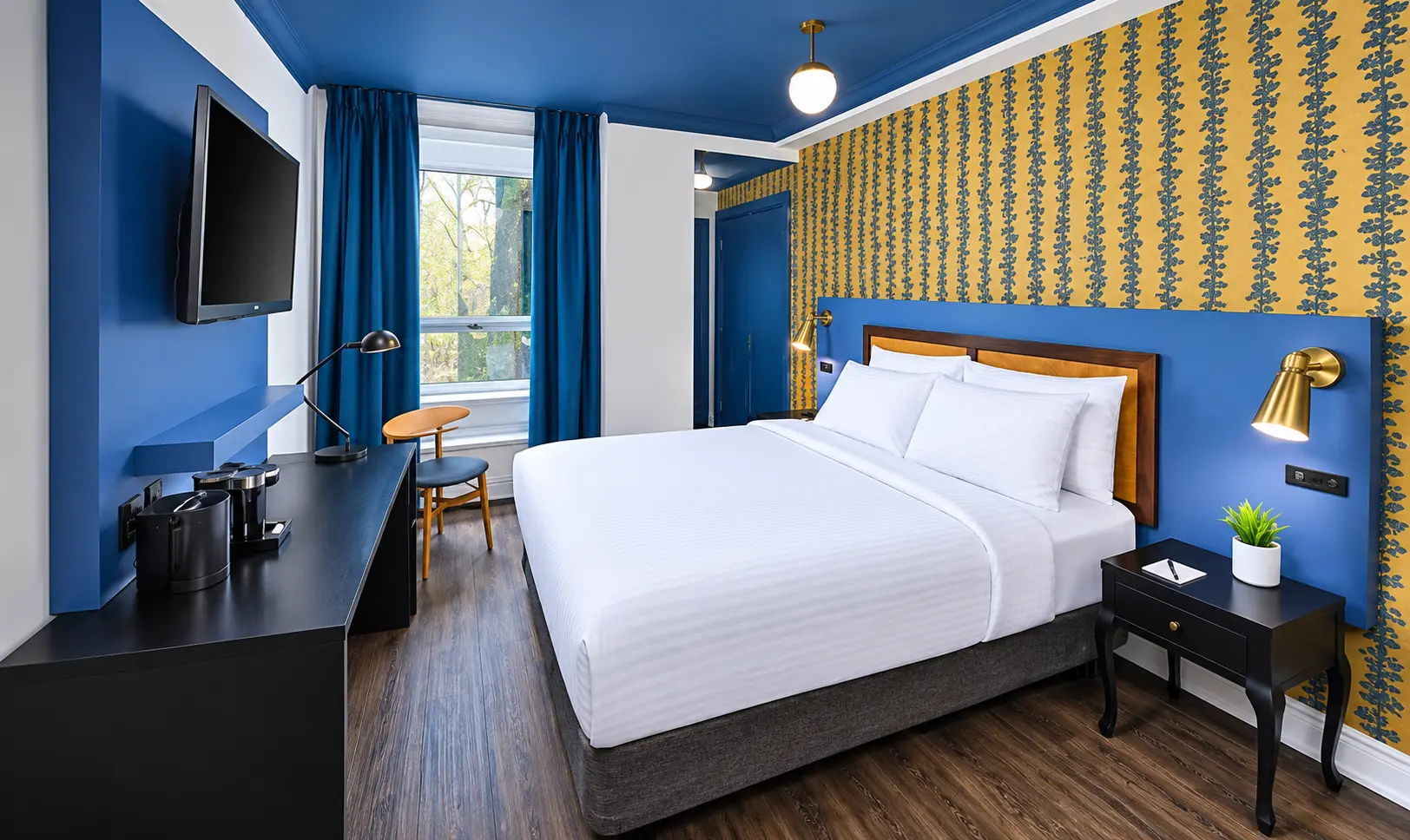
Guestrooms are increasingly held to a standard to accommodate some different functions of activities such as working, eating, relaxing, and ultimately storing personal possessions. Compact desks, integrated storage compartments, as well as multipurpose tables and flexible seating are all ways to optimize the limited space at anyone’s disposal.
Thus, the features of guestroom furniture have to be durable enough to withstand multiple uses and therefore it is essential to check their durability, strength of mechanics, load capacity, and stability of moving parts. Thoughtfully designed custom hospitality casegoods contribute to making the most efficient use of the available space in hotel rooms, though they are also capable of giving the guests a uniform look.
In terms of the budget, it is also important to compare the prices of multifunctional furniture with the price of getting several separate items.
3. Comfort, Wellness, and Practical Technology
The comfort level is key to the guestroom experience. Different seating arrangements, light layering, easy charging options, and simple controls can increase the usability of rooms. Soft materials and smart lighting can also assist in creating a relaxing ambiance.
Making the right decisions is challenging as there will be maintenance issues in the future. It is important to use high-quality upholstery material, comfortable seats, and other items that can be repaired or renewed. Regarding technology, it is better to implement features that guests will likely use rather than some advanced technologies.
Decisions made can help save on maintenance expenses while keeping the needed level of comfort.
4. Choose Furniture That Lasts Longer
Sustainability influence is also applicable in furniture choices, as repairability and durability of materials are gaining importance. Items that do not need to be completely replaced after even small damage but have parts that can be replaced, finishes that can be maintained, etc. are likely to serve longer than pieces that need to be replaced completely after slight damage.
When comparing hospitality guestroom furniture design trends, it is necessary not to focus only on the purchase price. It is important to pay attention to warranty conditions, cleaning and maintenance of the furniture, and expected service life.
5. Match Design Choices to the Budget
Not all hotels necessitate the same capital. A high-end hotel may be inclined to choose unique design for high-quality materials, while a budget hotel may rely on solid architecture and low-maintenance, budget furniture, with resorts possibly falling somewhere between the two extremes.
Canada’s hotel renovation market also shows why long-term furniture value matters. According to Lodging Econometrics‘ Q4 2025 report, Canada had 119 hotel renovation and brand-conversion projects covering 16,432 rooms, with room counts up 10% year over year. This activity makes it important for hotel owners to assess furniture durability, maintenance needs, and replacement costs when planning upgrades.
When comparing the various hospitality guestroom furniture design trends, take into account the cost of purchase, shipping, handling, maintenance, and replacement. The article by Sorakai about Buying Direct Through Your Designer can help with learning about the issue.
6. Compare Trends Before Finalizing Specifications
Use the following comparison to assess which design choices best suit the property.
| Design trend | Durability priority | Budget consideration |
| Warm finishes and textures | Scratch-resistant surfaces | Use premium finishes selectively |
| Flexible furniture | Strong hardware and stable construction | Compare multifunctional pieces with separate items |
| Integrated technology | Repairable components | Prioritize useful features |
| Longer furniture lifecycles | Replaceable parts and maintainable finishes | Assess total ownership costs |
These hospitality guestroom furniture design trends should be evaluated against guest expectations, maintenance resources, and the planned renovation timeline. Approving specifications early can help reduce last-minute changes and keep procurement aligned with the budget.
Design for Long-Term Performance
Successful upgrades to hotel rooms need to balance many different factors. The materials and furniture used to renovate rooms should be selected based on their actual use, so hotel owners do not waste money on expensive materials that would have little practical value. The decision to be made should also take into consideration how easy items will be to clean and repair, as well as how long they will last.
Sorakai assists in hospitality projects with the use of its knowledge in FF&E sourcing, custom production, budgeting, quality control, logistics, and installation coordination. Careful planning is essential in order to make sure that all design options match the requirements and needs.
Frequently Asked Questions
Warmer finishes, flexible furniture, integrated technology, and more personalized interiors are key design directions to consider.
2. How can hotels make trendy furniture last longer?
Select materials suitable for commercial use, reliable finishes, components that can be replaced, and hardware that should be durable.
3. Do the hotels need custom-made furniture?
If the furniture design, quality, and price are correct, then custom-made furniture can be useful in increasing the efficiency of the space and enhancing the company name.
4. What are ways hotels should plan their budget when upgrading the furniture in their guest room?
When preparing the budget you should consider all costs which include purchasing costs, costs of shipping, installation, maintenance and repair, and replacement.
5. How can hotels handle the conflicting trends in interior design and their importance?
Take the practicality of the furniture into consideration and opt for time-tested durability and flexibility of design to achieve the desired effect.