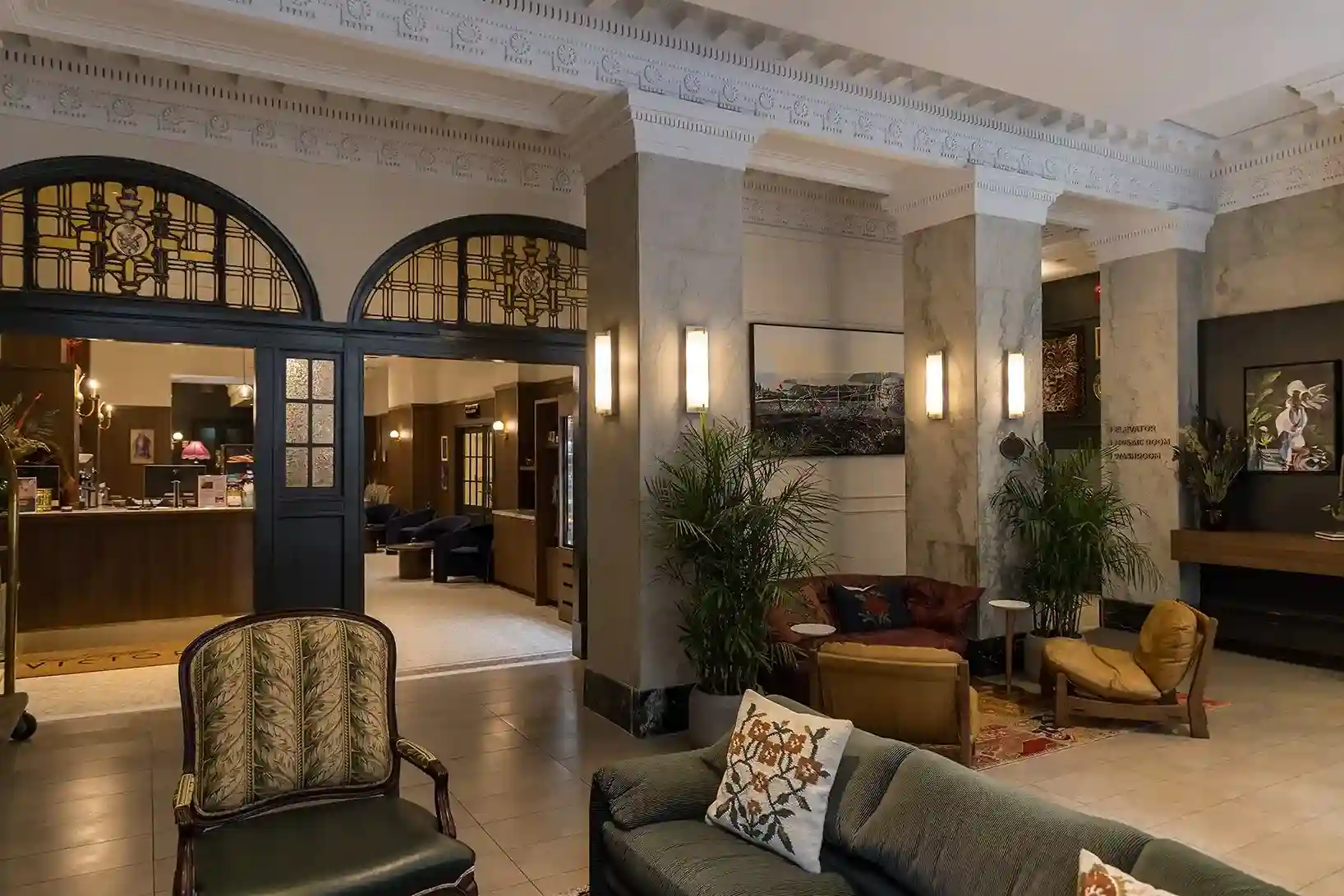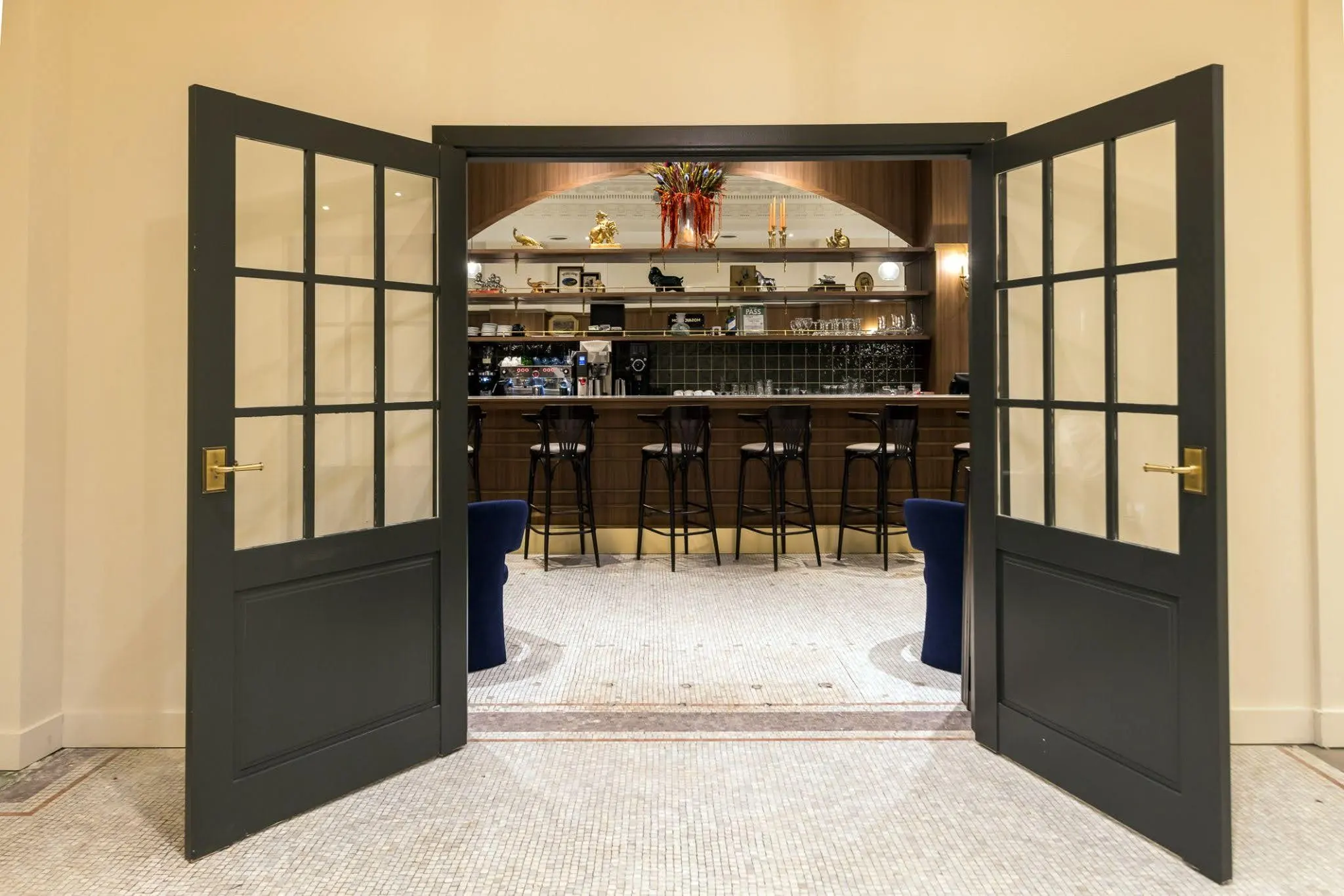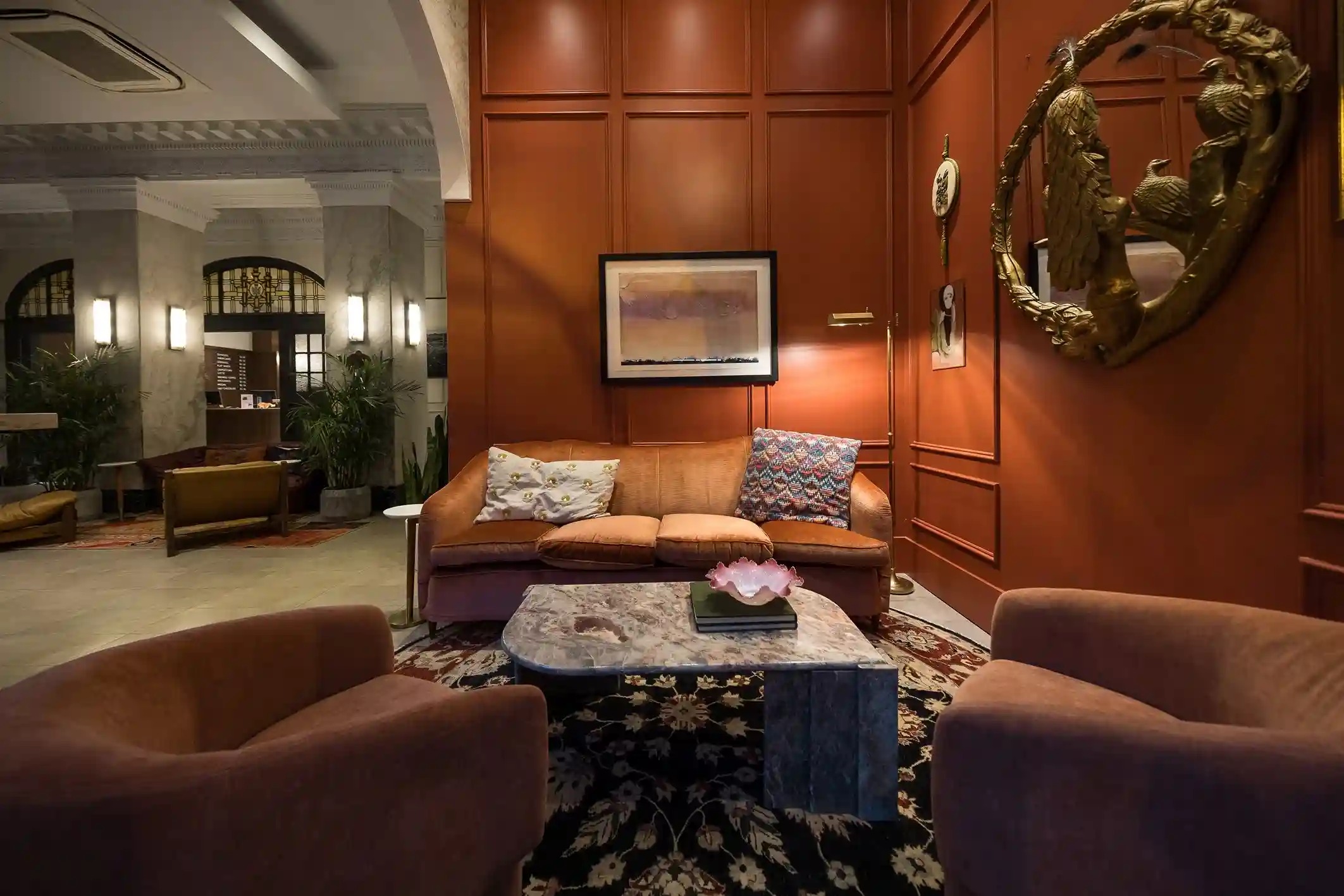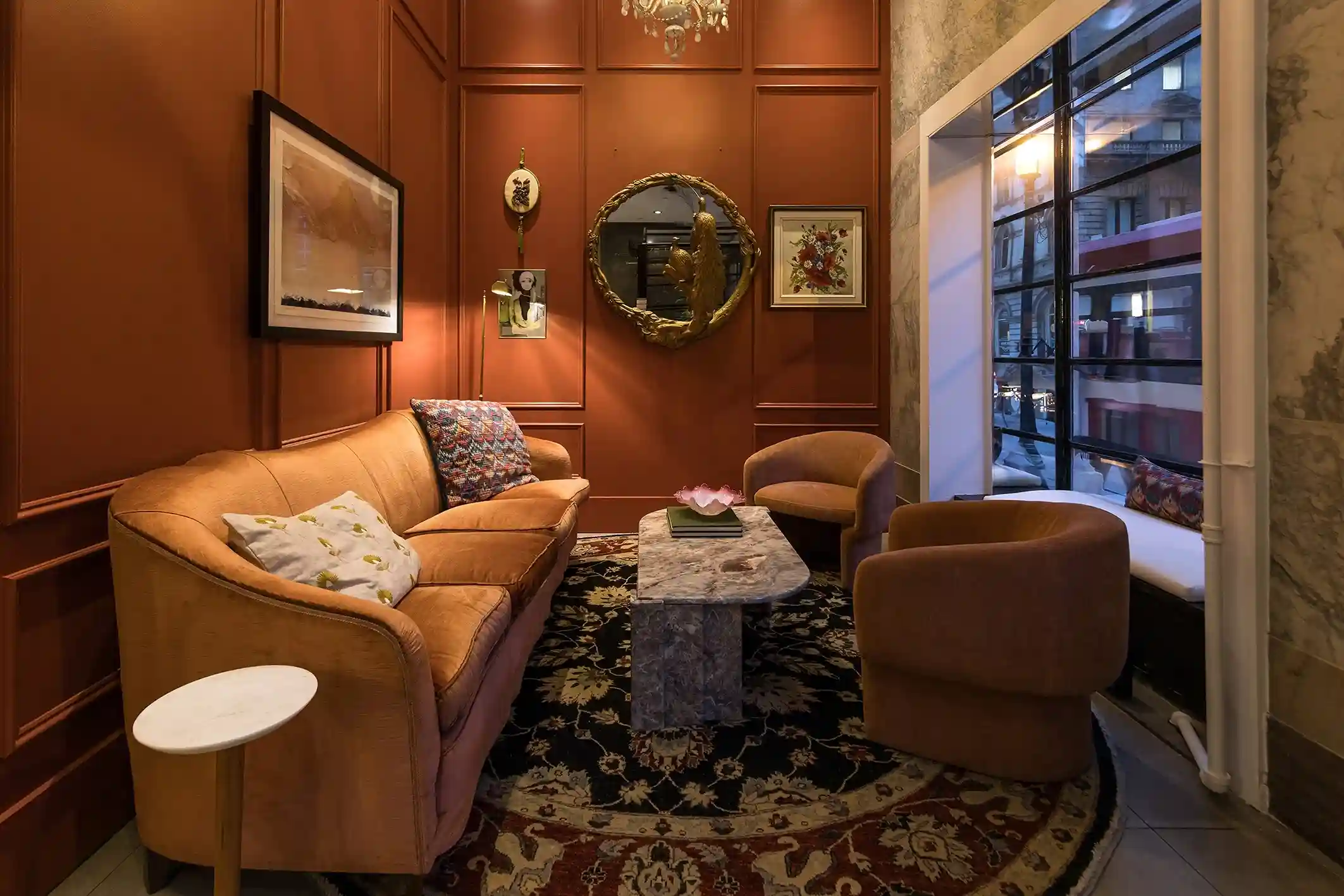
It’s 10 a.m. and your lobby looks like a coworking space. Laptops are open, someone is on a call and a guest is hunting for a plug. By 7 p.m., the same room needs to feel like a lounge, with softer light, easy chatter and a drink in hand.
Here’s the problem. Most lobbies do one job well and the other badly. Stiff chairs send remote workers out the door, while low sofas that look great at night make a laptop session hard on your back.
The fix isn’t more furniture. It’s smarter furniture. Multi-use commercial hospitality furniture is designed to change roles throughout the day, supporting work and comfort for relaxing.
Let us walk you through how to plan a lobby that works from morning coffee to last call:
Why Your Lobby Requires Two Types of Personality
The lobby is no longer perceived by guests in the way it was perceived before. Today’s corporate travelers, telecommuters, and locals have turned the lobby into an environment in which they can work, socialize and relax.
Recall your last experience in trying to work in a hotel lobby. If the chair made your back hurt, then most likely you would leave earlier.
That’s good news for you. An active lobby is lively and, therefore gives customers more reasons to remain in it and consume.
However, each segment has its own needs. During the day, they need comfort, strength and peace. In the evening, they require coziness, privacy, and mood. If your seating arrangement is able to fulfil only one of these moods, then you are losing out on the other crowd.
Zone First, Then Choose Your Seats
Divide the lobby into three small neighborhoods, not just a single large space. Zone-specific seating will be provided to each of these zones.
- Work zone: Position this area in the vicinity of windows and electric sources. Select chairs with solid backing and great comfort.
- Transition zone: Utilize tables and stools of counter height. This will facilitate quick meetings or evening coffee drinking.
- Lounge zone: Create an area with more comfortable chairs and soft lighting. This zone should be located far from reception because we need more peace in our lounge area.
Keep walkways clear and make sure staff can see the whole room from the desk. A good layout feels easy, not crowded. For U.S. projects, you can also review the U.S. Access Board’s guidance on accessible routes when planning circulation through your lobby.
Day vs Evening: What Your Seating Needs to Do
Here’s a quick look at how the same seating needs to behave across the day.
| Design Factor | Daytime Work Mode | Evening Lounge Mode |
| Seat feel | Firm and upright | Deeper and relaxed |
| Tables | Stable for laptops | Low for drinks |
| Power | Easy to reach | Discreet |
| Lighting | Bright, task-friendly | Warm and dimmable |
| Fabric | Hard-wearing, easy to clean | Soft and inviting |
| Layout | Single seats, small groups | Cozy clusters |
The goal is simple: one lobby, two moods, no mid-day furniture shuffle. Your guests get the right seat at the right time.
Choose Soft Seating That Handles Both Shifts
Looks matter, but what’s inside matters more. A lobby chair gets used for hours every day by many different people.
When you choose soft seating hotel furniture, check the frame, foam and fabric. A strong frame keeps its shape. High-quality foam stays comfortable after months of use. A tough fabric handles spills, bags and busy days.
That’s where multi-use commercial hospitality furniture earns its keep. The right materials feel good to use for two hours of laptop use and are attractive even at 8 p.m. It is important that the materials are consistent with your brand policy so that your lobby looks like a natural part of the hotel. Request samples before you try the materials out yourself.
Easy Ways to Stay Flexible
You don’t need staff moving sofas at 5 p.m. A few smart choices do the work for you.
- Modular sofas and banquettes: They fit solo workers and groups alike.
- Nested/ lightweight tables: Guests can shift them around as per their requirements.
- Layered lighting: Adjustable dim lighting creates ambiance without moving anything at all.
- Soft partitions and rugs: They create comfortable zones while reducing noise.
Sound matters too. Phone calls and background music don’t always mix, so soft materials can help keep both comfortable.
Plan It Right Before It Arrives
The ideal lobby design is planned well in advance of the furniture delivery. Planning in advance will give the best possible results. You should approve your drawings, fabrics and mock-ups before your order is even placed.
Changes to samples are easier to make as compared to changing the entire order. And you should ensure the quality of your order before its shipping, so that you do not face any surprises at the time of its arrival. Lastly, plan out your delivery and installation according to your schedule.
Build a Lobby That Works Hard From Morning Coffee to Last Call
A great hotel lobby doesn’t have to pick between work and play. You just need a plan for both. Your guests will notice the difference and they’ll want to stay.
Start with your zones. Match each one to the right seat. Then choose frames, foam and fabrics that can handle heavy use all day. Do that and the same space can host remote workers at 10 a.m. and relaxed guests at 8 p.m., with no rearranging in between.
Here’s the best part: multi-use commercial hospitality furniture works even better when design, sourcing, production and installation are planned together. Early decisions save you headaches later.
Planning a new lobby or a renovation? Sorakai can take you from approved drawings to guest-ready seating. Visit Sorakai and start your project conversation today.
Frequently Asked Question
Combining various zones and varying heights of the seating, along with movable items, is what does the trick. Mood lighting helps to complete the setup, making it suitable for both types of people.
It varies. You may start by installing outlets in proximity to your seating for the work zone and then get approval from the designer.
Commercial-grade, abrasion-resistant and easily cleanable materials should be used for such type of seating furniture.
Sometimes. If the frames are solid, reupholstery and new tables may help. Check comfort and brand standards before you decide.
Yes, you should, as they give you an opportunity to check all necessary features of your future furniture.